
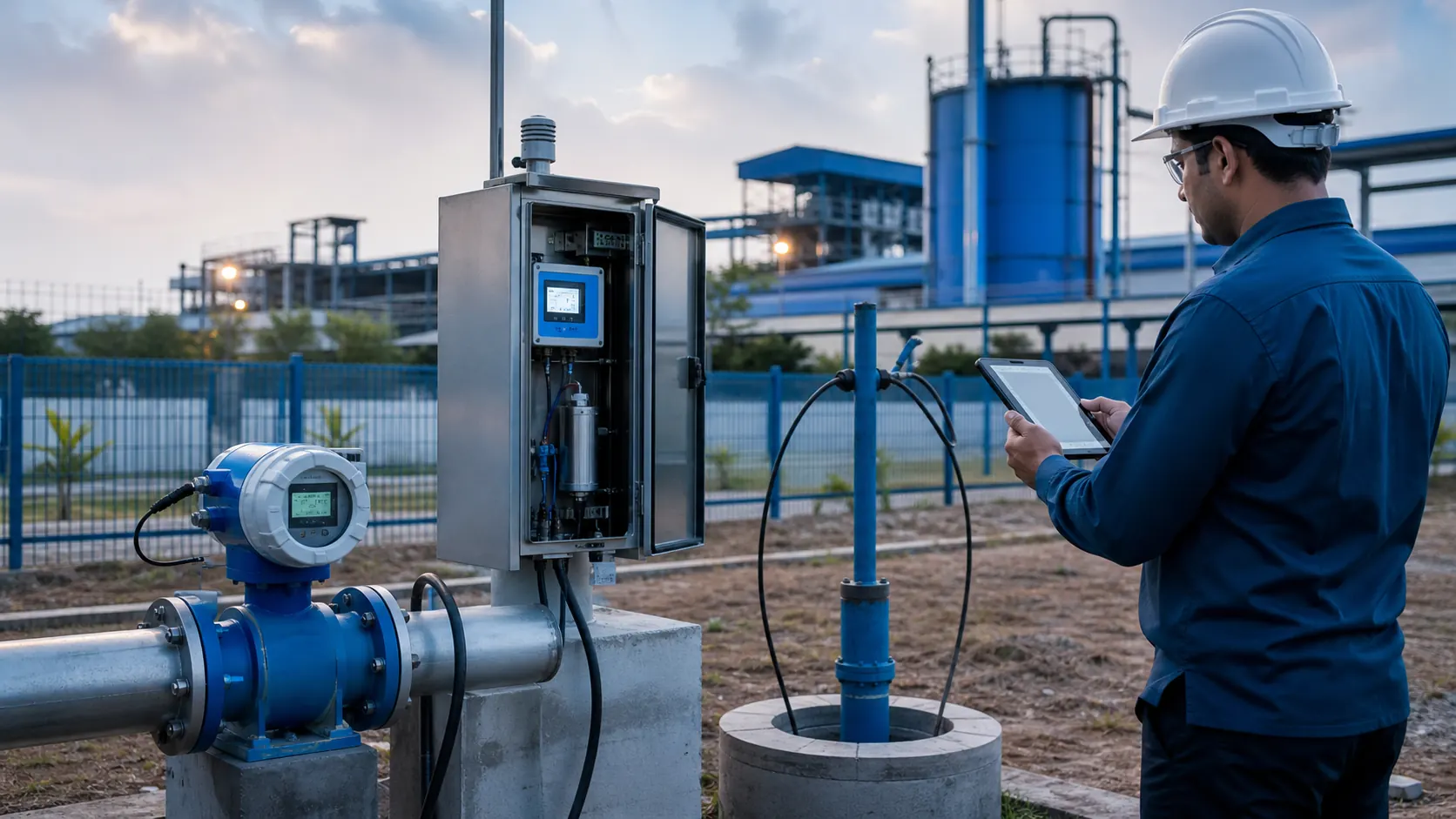
Groundwater compliance is not a one-time approval exercise. For facilities that abstract groundwater, it is an operating discipline covering permission, metering, monitoring, recharge or conservation conditions, reporting and renewal. Requirements can differ by location, project category, groundwater assessment and the authority regulating that area, so every facility should verify the current rules that apply to its site.
What CGWA regulates
The Central Ground Water Authority regulates groundwater development and management under the environmental legal framework. Its consolidated guidelines address categories including industrial, infrastructure and mining projects, along with drinking and domestic uses in specified situations. In some states or union territories, a state groundwater authority regulates abstraction instead. The first compliance step is therefore jurisdiction: identify the competent authority before preparing an application.
The rules distinguish uses, project types, groundwater conditions and exemptions. A facility should not rely on a neighbouring unit's approval pathway or an old consultant file. The applicable position may depend on the site's coordinates, assessment unit, abstraction purpose, quantity and whether the project is new, existing, expanding or renewing an approval.
The NOC application is a technical submission
An application commonly requires site and ownership information, water-requirement calculations, source details, borewell information, project approvals and supporting technical documents. Industrial users should reconcile the requested quantity with production capacity, domestic demand, process needs and water-efficiency measures. Inconsistent numbers across the water balance, consent documents and application can delay scrutiny.
Hydrogeological information, rainwater-harvesting or recharge proposals and impact assessments may be required depending on the project and prevailing guidelines. Treat these as engineering deliverables, not paperwork attachments. Coordinates, drawings, capacities and proposed monitoring arrangements must match what can actually be constructed and operated at the site.
An NOC comes with continuing conditions
Approval usually carries specific and general conditions. These can concern permitted abstraction, installation of water meters, groundwater-level monitoring, piezometers, rainwater harvesting, recharge, water audits, records, reporting and display of information. The exact conditions in the issued NOC are the facility's working compliance checklist and should be read by operations, environment, engineering and management teams.
Create a condition register listing each obligation, evidence required, frequency, owner and due date. Store meter readings, calibration certificates, photographs, laboratory reports, portal submissions and maintenance records in one controlled location. This converts compliance from a last-minute search into a routine process with an audit trail.
Monitoring needs reliable instruments and ownership
Map every borewell and abstraction point, including standby or inactive sources. Confirm that each relevant meter and monitoring device is correctly installed, accessible, functioning and protected. Readings should follow a documented schedule, and abnormal consumption, missing data or instrument failure should trigger action. A spreadsheet can work for a small site, while larger facilities may benefit from telemetry and dashboards.
Groundwater-level monitoring should be consistent and interpretable. Record the measurement point, date, time, pumping condition and instrument used. Trends matter more than isolated values. When monitoring is linked to production and rainfall data, management can see whether extraction is becoming less sustainable and can act before the issue becomes operational or regulatory.
Renewal starts long before expiry
A renewal should not begin in the final weeks of an NOC. Review the approval period, current portal requirements and submission window well in advance. Confirm that abstraction stayed within permitted limits and that all conditions, charges, reports and conservation measures are supported by evidence. Resolve discrepancies before the application is filed.
Changes in production, ownership, borewell configuration or water demand may affect the appropriate route. Facilities planning expansion should include groundwater implications in the project schedule rather than assuming the existing permission automatically covers additional demand. Regulatory requirements can change, so teams should verify current CGWA notifications and portal instructions instead of reusing an old checklist unchanged.
Move from permission to water stewardship
Compliance is stronger when the facility also reduces avoidable demand. Conduct a water audit, repair leaks, meter major consumers, optimise cooling and cleaning, reuse treated wastewater where suitable and harvest rainwater. These measures can lower extraction, improve resilience and make reporting more credible. They also help management understand the true cost and risk of groundwater dependence.
SWR can support the process from site assessment and water balance through documentation, monitoring infrastructure and conservation works. Final decisions and submissions should always be based on the current rules, site jurisdiction and conditions issued by the competent authority. This article is practical guidance, not a substitute for a site-specific regulatory review.
A practical first review
Begin by collecting the current NOC, all borewell details, twelve months of meter readings, calibration records, water bills, production data and submitted reports. Compare actual infrastructure with approved drawings and conditions. This short internal review usually reveals missing evidence, approaching dates or equipment issues early enough for corrective action.
Key takeaways
- Confirm whether CGWA or a state authority regulates the site.
- Make every application quantity consistent with the facility water balance.
- Convert NOC conditions into an owned compliance calendar.
- Verify current rules and renewal requirements before acting.